Struggling With Everyday Movement? How an MSK Clinic Stanmore Can Help

Everyday movements such as climbing stairs, getting out of bed, reaching for a cupboard or sitting at a desk can become uncomfortable when muscles, joints or other parts of the musculoskeletal system are affected. Although occasional aches may settle with rest, persistent discomfort can interfere with work, exercise and daily routines. Understanding the possible causes and knowing when to seek professional support can help you manage symptoms and work towards more comfortable movement.
Why Everyday Movements Can Become Difficult
The musculoskeletal system includes muscles, bones, joints, tendons and ligaments. These structures work together to support the body, maintain stability and allow movement. When one or more become irritated, injured or restricted, even straightforward activities may feel difficult.
Several factors can contribute to movement problems:
- Muscle strain: Overstretching or overloading a muscle can cause soreness and restricted movement.
- Joint discomfort: Problems affecting the shoulder, knee, hip or back may make lifting, bending or walking uncomfortable.
- Repetitive activities: Repeated movements or prolonged periods in one position can contribute to stiffness and discomfort.
- Sports injuries: Sudden movements, excessive training or insufficient recovery may place additional stress on muscles and joints.
- Reduced mobility: Inactivity or changes in physical capacity can affect flexibility, strength and coordination.
The location of the discomfort does not always reveal its underlying cause. A professional assessment can help identify possible contributing factors and determine which treatment options may be appropriate.
When Should You Seek Musculoskeletal Support?
It is common to experience occasional aches after physical activity or a demanding day. However, symptoms that persist, repeatedly return or interfere with normal activities should not be ignored.
Consider seeking professional advice if you experience:
- Pain that does not improve as expected.
- Stiffness that limits your usual range of movement.
- Difficulty walking, climbing stairs or completing household tasks.
- Discomfort that affects your sleep or ability to work.
- Reduced confidence when returning to exercise after an injury.
- Symptoms that worsen despite modifying your activities.
An assessment may help clarify whether the problem involves muscles, joints, movement patterns or another condition requiring medical attention.
Seek urgent medical care for severe pain following a significant injury, an obvious deformity, sudden weakness or new loss of bladder or bowel control. Numbness around the groin or saddle area also requires emergency assessment.
What Can an MSK Clinic Assessment Involve?
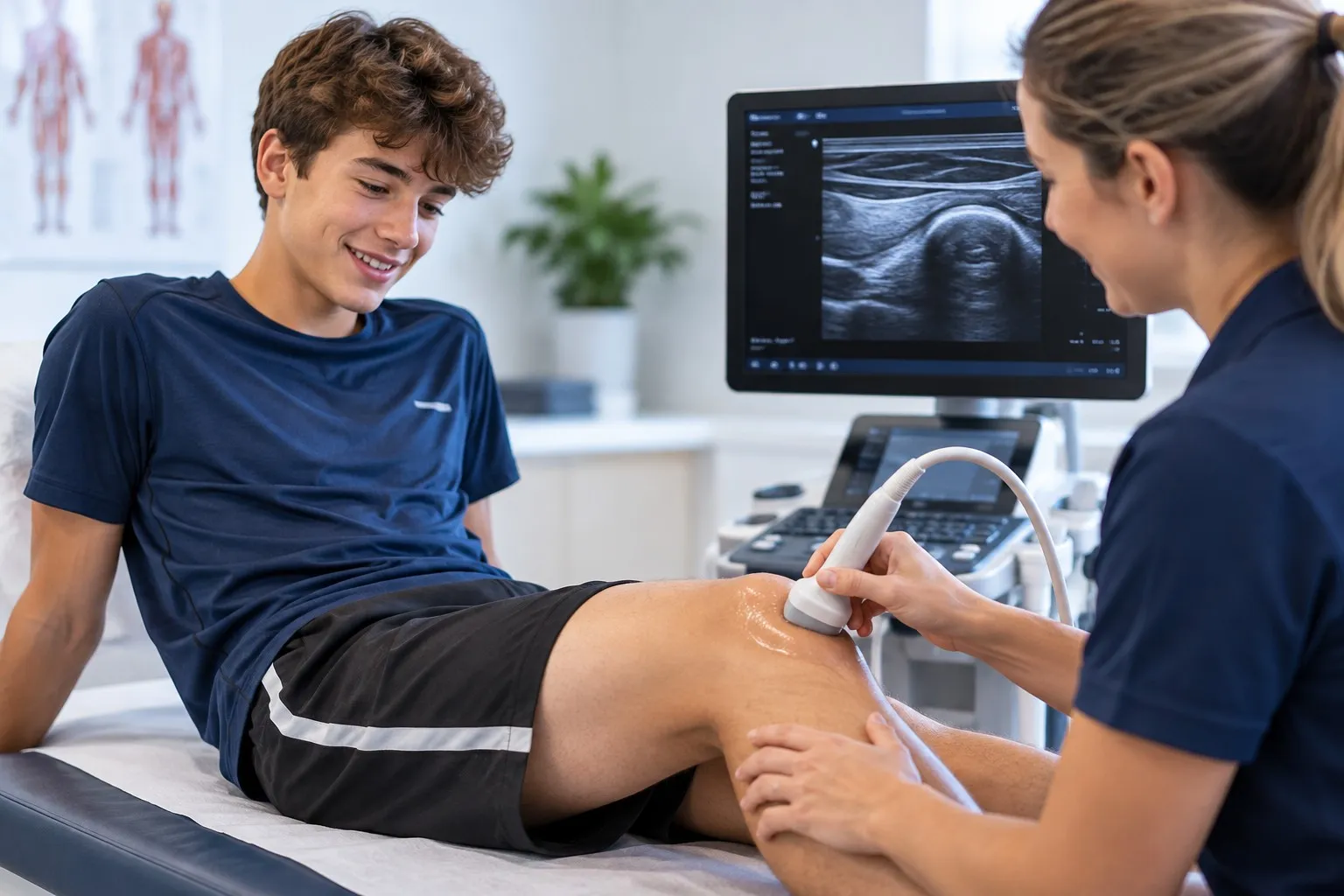
An initial assessment generally begins with a discussion about your symptoms, medical history and daily activities. A practitioner may ask when the discomfort started, which movements aggravate it and how it affects your work, sleep or exercise routine.
The physical assessment may include checking:
- Range of movement: How comfortably and fully the affected area moves.
- Muscle strength: Whether weakness affects movement or stability.
- Flexibility: Whether restricted movement contributes to your symptoms.
- Functional ability: How comfortably you perform tasks such as bending, reaching or walking.
- Personal goals: Which activities you want to resume or perform more comfortably.
An msk clinic Stanmore residents consider should provide an assessment tailored to their symptoms rather than applying the same approach to everyone. Depending on the findings, the practitioner may recommend rehabilitation, further medical investigation or referral to another healthcare professional.
The purpose is to understand your movement difficulties and identify suitable next steps. Treatment should reflect the assessment rather than relying on a standard approach for every patient.
How Musculoskeletal Treatment Can Support Recovery
Treatment for movement-related problems may involve several approaches, depending on the underlying condition, symptom severity and individual needs.
Targeted exercise and rehabilitation
A practitioner may recommend exercises to improve muscle strength, joint mobility, flexibility and coordination. Someone experiencing knee discomfort, for example, may need exercises that strengthen the muscles supporting the joint. Rehabilitation for back problems may focus on gradually improving movement and tolerance for everyday activities. Exercises should match your current ability and progress at a manageable pace. Sharp, escalating or unusual pain should not be ignored or pushed through without advice.
Manual therapy
Depending on the condition, a practitioner may use hands-on techniques to help manage discomfort or improve movement. These may include certain joint mobilisation techniques or soft-tissue approaches. Manual therapy is often considered alongside exercises and practical activity advice rather than as a replacement for active rehabilitation.
Advice on everyday activities
Small adjustments to how you sit, lift objects, perform repetitive tasks or return to exercise may help make activities more manageable. The aim is not to avoid movement indefinitely but to find suitable ways to remain active while supporting recovery.
Understanding Persistent Shoulder Pain
Shoulder discomfort can make everyday tasks such as dressing, washing your hair, reaching overhead or carrying shopping difficult. Several conditions may contribute, including tendon problems, joint stiffness, injury or pain referred from another part of the body.
Persistent symptoms deserve attention, especially when movement becomes increasingly restricted or discomfort affects sleep and daily activities. Treatment should depend on the underlying cause rather than assuming that every shoulder problem requires the same exercises or techniques.
For a more focused discussion, When Shoulder Pain Persists, an MSK Clinic in Stanmore Can Help explains why ongoing shoulder discomfort may require professional assessment and how appropriate support can guide treatment decisions.
Avoid repeatedly forcing painful movements or starting strenuous exercises without understanding whether they are suitable for your condition. An individual assessment can help establish an appropriate way forward.
What to Look for When Choosing Physiotherapy
Choosing a suitable provider involves more than finding an appointment. Look for a service that explains its assessment process, considers your daily routine and gives you a clear understanding of your treatment options. When considering physiotherapy Stanmore, look for the following:
- Individual assessment: Your symptoms, medical history and physical abilities should inform the treatment plan.
- Clear communication: The practitioner should explain the purpose of recommended treatments and exercises.
- Realistic goals: Progress should be based on your condition and personal needs, without promises of guaranteed results.
- Progress reviews: Your plan should be adjusted according to how you respond to treatment.
- Appropriate referrals: Symptoms requiring additional investigation should be referred to the relevant healthcare professional.
Recovery varies according to the condition, its severity, general health and response to treatment. Some problems improve relatively quickly, while longer-standing or more complex conditions may require a gradual rehabilitation programme. Before starting treatment, ask what improvements are realistic, how progress will be measured and what to do if your symptoms worsen.
Practical Ways to Support Your Mobility
Your daily habits can contribute to recovery, although the right approach depends on your symptoms and any advice provided by your healthcare professional.
Consider these practical measures:
- Keep moving within comfortable limits: Gentle movement may help prevent unnecessary stiffness when appropriate for your condition.
- Take regular breaks: Change position throughout the day if your work involves prolonged sitting.
- Increase activity gradually: Avoid sudden increases in exercise intensity after a period of inactivity.
- Follow your exercise plan: Consistency can help you build physical capacity without doing too much at once.
- Monitor changes: Seek advice if symptoms worsen or new problems develop.
Although rest can be helpful during recovery, prolonged inactivity may contribute to reduced strength and mobility. Finding a suitable balance between activity and recovery is important.
Taking a Practical Step Towards Better Movement
Movement difficulties can affect your independence, confidence and ability to enjoy everyday activities. Seeking appropriate advice can help you understand your symptoms, consider suitable treatment options and work towards realistic recovery goals. Physivity - Stanmore Musculoskeletal Clinic can be a starting point for people seeking guidance on musculoskeletal concerns and rehabilitation options. The most useful approach is one that takes your symptoms seriously, considers your individual circumstances and helps you work towards safer, more comfortable movement.

Comments
Post a Comment