Pain Affecting Your Daily Routine? How to Find the Right Support in Stanmore
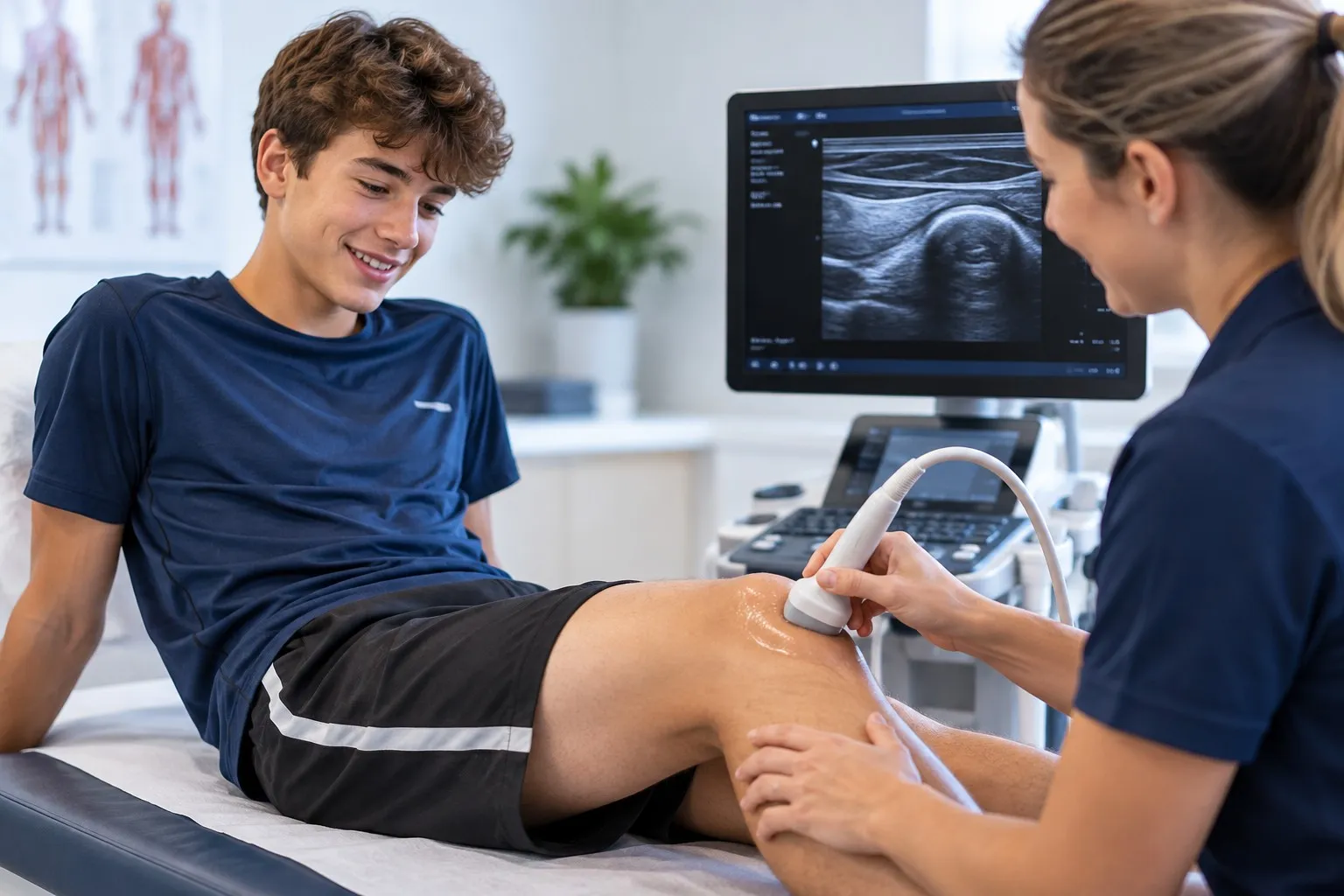
Pain can gradually change the way you approach everyday life. Walking to the shops, sitting through a meeting, carrying shopping bags or getting comfortable at night may become difficult when muscles and joints are not working as they should. Although occasional discomfort may settle with rest, persistent or recurring symptoms deserve attention. Knowing when to seek professional care can help you manage pain, preserve mobility and resume your daily activities with greater confidence.
How Musculoskeletal Pain Can Affect Daily Life
Musculoskeletal pain involves structures such as muscles, joints, bones, tendons and ligaments. It may develop following an injury, repetitive activity, prolonged sitting or changes in physical activity. Sometimes, symptoms appear gradually without one obvious cause.
The effects can extend beyond the affected area. Back pain may make bending or sitting uncomfortable, while knee problems can affect walking and climbing stairs. Shoulder discomfort may interfere with dressing, reaching overhead or sleeping on one side.
People sometimes adapt by avoiding movements that trigger symptoms. Although modifying an activity temporarily may be sensible, consistently avoiding movement can contribute to reduced strength, stiffness and lower confidence. The important question is not simply where the pain occurs, but how it affects your daily routine and whether the symptoms are improving, remaining unchanged or getting worse.
When is It Time to Seek Professional Support?
Rest and gentle self-care may help with some minor aches. However, persistent symptoms should not be ignored, particularly when they begin interfering with normal activities.
Consider seeking an assessment if you experience:
- Pain that keeps returning or does not improve as expected.
- Stiffness that limits your usual range of movement.
- Difficulty completing work, household tasks or exercise.
- Discomfort that regularly disturbs your sleep.
- Symptoms that worsen when you increase your activity.
- Lower self-confidence after an injury or an extended period of reduced activity.
A professional evaluation can help uncover underlying causes and establish whether rehabilitation, additional medical tests or alternative treatment would be beneficial. Seek urgent medical attention for severe pain after significant trauma, an obvious deformity, a hot and swollen joint accompanied by fever, or new neurological symptoms. New loss of bladder or bowel control, numbness around the groin or saddle area, or rapidly progressing weakness also requires emergency assessment.
What Can a Musculoskeletal Service Offer?
A musculoskeletal service focuses on problems affecting movement and the structures that support the body. Depending on the provider and your needs, support may include clinical assessment, rehabilitation, exercise guidance, pain management strategies and referral for further investigation.
An initial evaluation should look beyond the painful area to assess other factors that may be contributing to the problem. Your medical history, daily activities, symptom patterns and physical capabilities can all help guide decisions about treatment.
A practitioner may assess:
- Movement: How comfortably you bend, reach, walk or move the affected joint.
- Strength: Whether weakness affects stability or everyday function.
- Flexibility: Whether restricted movement contributes to discomfort.
- Activity tolerance: Which tasks trigger symptoms and how much activity you can manage.
- Personal goals: What you want to return to, whether that is work, sport or routine household activity.
The findings help establish an appropriate plan. Not every problem requires the same intervention, and some symptoms may need assessment by a GP or specialist before rehabilitation begins.
How Physiotherapy May Help You Manage Pain
Physiotherapy can support recovery from many musculoskeletal conditions by addressing movement, strength and function. Treatment depends on the assessment and may combine several approaches rather than relying on one technique.
Individualised exercise programmes
Exercises may help improve muscle strength, flexibility, balance and joint control. For example, rehabilitation for knee discomfort may focus on the muscles supporting the joint, while treatment for back pain may include graded movement and exercises that improve tolerance for daily activities. The programme should match your current ability and progress as appropriate. Exercises that cause sharp, escalating or unusual pain should be reviewed rather than pushed through.
Practical movement advice
A physiotherapist may suggest adjustments to how you sit, lift objects, perform repetitive tasks or return to exercise. These changes can help you manage physical demands without unnecessarily avoiding movement.
Monitoring your progress
When considering physiotherapy Stanmore, look for an approach that includes regular reviews and adjustments based on your response. Progress may involve moving more comfortably, completing tasks with less difficulty or gradually increasing activity, rather than becoming completely pain-free after one session. Recovery varies depending on the underlying condition, symptom duration, general health and treatment requirements. A practitioner should explain realistic expectations and when further assessment may be needed.
Choosing the Right Support for Your Needs
Before arranging an appointment, consider whether the service can address your symptoms and explain its assessment process clearly.
Useful questions include:
- Will my first appointment include an individual assessment?
- How will the treatment plan reflect my daily activities?
- What should I expect from the proposed treatment?
- How will progress be reviewed?
- Will I be referred elsewhere if my symptoms require additional investigation?
A suitable provider should explain the reasoning behind its recommendations, discuss alternatives where appropriate and involve you in decisions about your care. Be cautious of promises of guaranteed recovery or claims that one treatment works for every condition.
For additional guidance on deciding when professional assessment may be useful, the article When to Choose a Musculoskeletal Service Stanmore for Pain considers the circumstances in which ongoing discomfort may warrant further support.
Supporting Recovery Between Appointments
Your daily habits can influence how manageable symptoms feel, although the right approach depends on the condition. Where appropriate, try to change position regularly instead of sitting for long periods, maintain gentle activity within comfortable limits and increase exercise gradually. Follow any prescribed rehabilitation plan and allow sufficient recovery time after demanding activities.
It may also help to keep a simple record of when symptoms occur, what aggravates them and which activities remain comfortable. This information can help your practitioner understand patterns and adjust your plan.
Avoid starting intense exercises on your own or relying on painkillers to continue activities when your symptoms are getting worse. If your condition changes significantly, seek advice before continuing with your usual routine.
Understanding the Value of Individualised Care
Choosing a musculoskeletal service Stanmore patients can access involves considering the type of support available, the assessment process and how treatment decisions are made. A suitable service should take your symptoms seriously, explain the available options and recognise when further medical investigation may be necessary. The right approach should also reflect your personal goals, whether you want to walk more comfortably, return to exercise or manage everyday responsibilities with less difficulty.
Taking a Practical Step Towards Better Mobility
Pain does not always disappear on its own, and adapting every part of your routine around discomfort can make daily life increasingly restrictive. Seeking appropriate advice can help you understand the possible causes, identify suitable treatment options and set realistic goals for recovery. Physivity - Stanmore Musculoskeletal Clinic may be a starting point for people seeking guidance on musculoskeletal concerns and rehabilitation. The most useful approach is one that considers your individual circumstances and helps you work towards safer, more comfortable movement.

Comments
Post a Comment